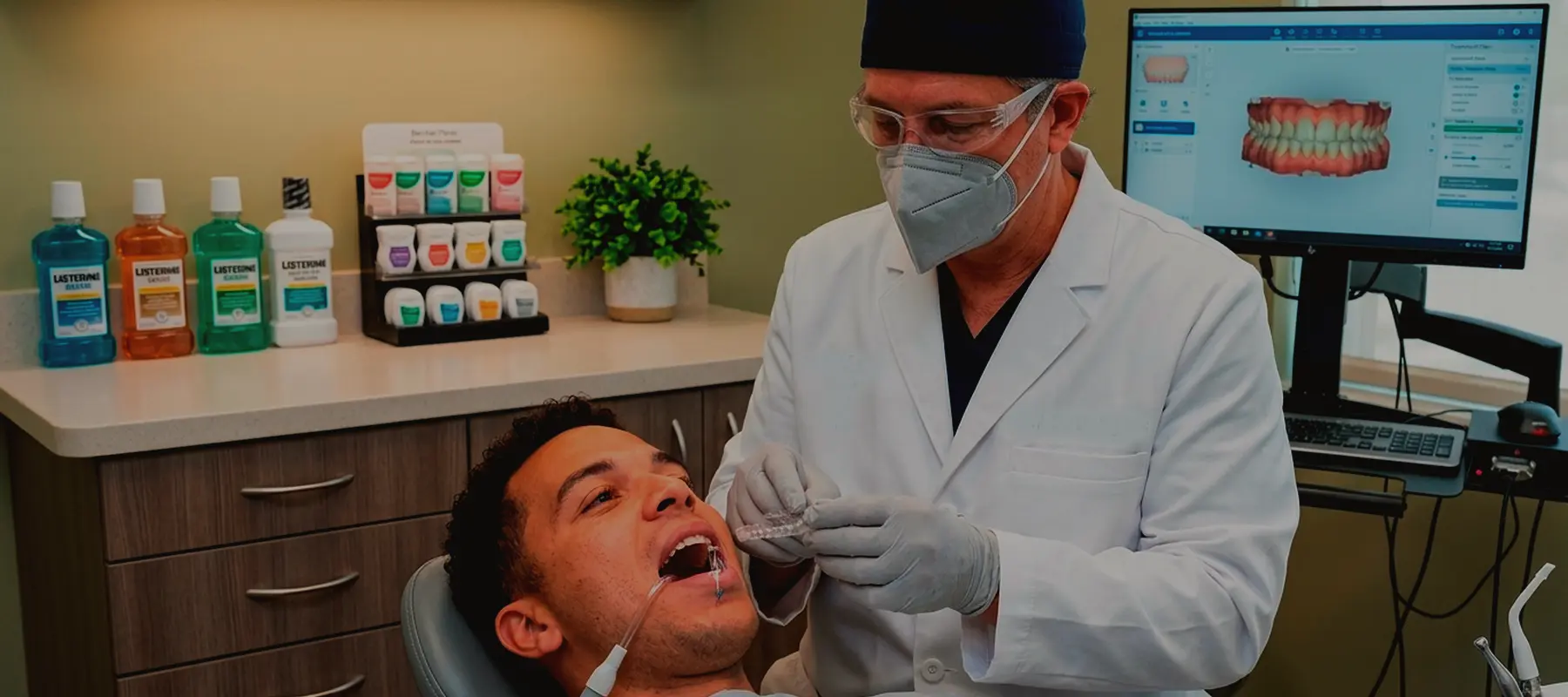
What Causes TMJ/TMD Disorders?
We will develop a suitable treatment plan
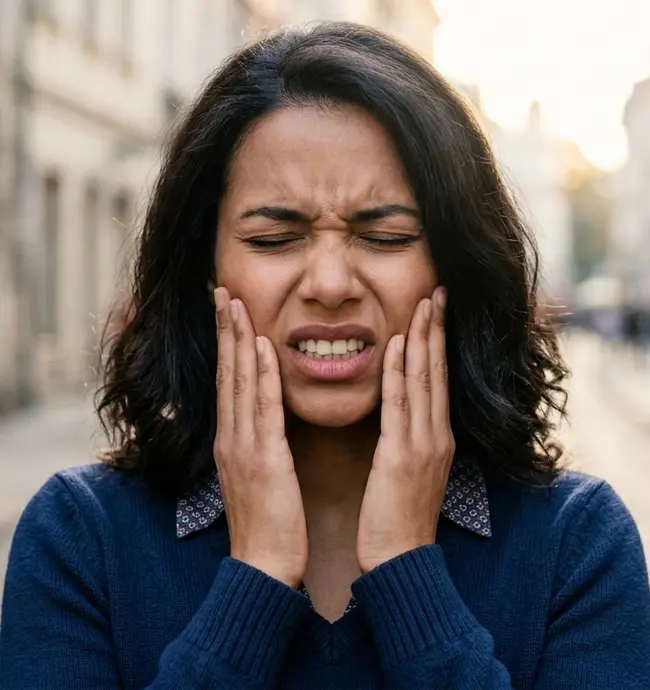
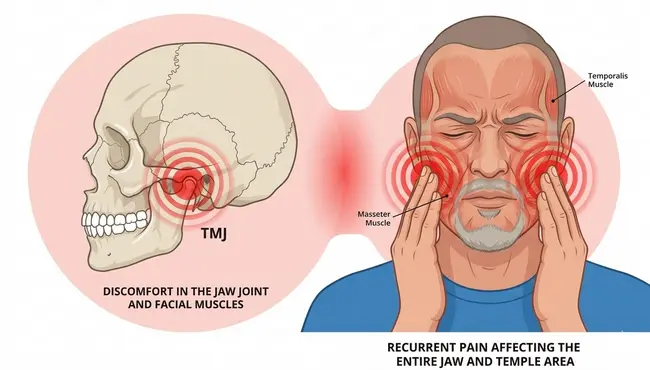
TMJ disorders (also known as TMD, for temporomandibular disorders) happen when the joints connecting your jawbone to your skull — or the muscles or ligaments that surround them — get inflamed, strained, or out of alignment. The causes are usually complex, and can unfold over a long period of time.
Common contributors include:
Bite Misalignment (Malocclusion)
When upper and lower teeth don’t come together properly, it causes uneven stress on the jaw joint when chewing, speaking or even resting.
Teeth Grinding and Clenching (Bruxism)
Many people grind their teeth, largely at night, without even realizing it. That constant pressure can weaken cartilage and irritate the joint.
Injury or Trauma
A sports impact, fall, car accident or even whiplash can injure the joint or surrounding muscles.
Chronic Stress and Anxiety
The strain of day-to-day life can sometimes cause tension through unconscious jaw clenching, tensing muscles and increasing joint stress over time.
Additional Factors
Genetics, connective tissue conditions or habits such as poor posture can be a factor too.
The root cause is pivotal to understanding. When you get evaluated at Dentist in Arlington, we take our time to do a full exam and bite analysis in order to help craft an appropriate treatment plan with you.
Book AppointmentTMJ Disorders Common Signs and Symptoms
Early intervention generally translates into less radical, more conservative solutions.
Early detection of symptoms can expedite relief. Many patients arrive here after misdiagnosing their problems as migraines, ear infections or sinus issues.
Look out for:
- Pain or tenderness in the jaw, particularly around the ears
- Pain or discomfort while chewing, yawning, or speaking
- Clicking, popping or grinding sounds when the jaw moves
- Common and persistent headache or migraine, usually from the temples
- Ear pain, buzzing in the ears or pressure
- Jaw rigidity or decreased mobility (sometimes getting stuck fully open or closed)
- Facial swelling or uneven appearance
- Tightness in the neck, shoulder or upper back
Bruxism (Teeth Grinding) and TMJ: What You Should Know
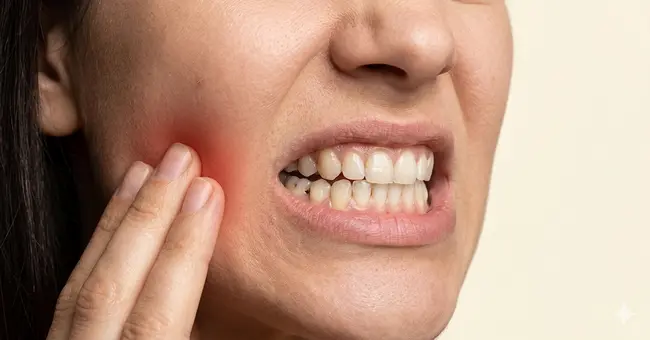
Bruxism can trigger TMJ
One of the most common triggers — and also results — of TMJ issues is bruxism. Most patients are unaware that they grind their teeth until they see worn out teeth, chipped enamel or increased sensitivity. Grinding at night is particularly common, and can speed up damage to the joint if it’s not treated.
At Dentist in Arlington, we help with both the grinding and its effects on your jaw health, keeping damage from happening to your teeth so you can sleep more comfortably.
Dentist in Arlington: TMJ Treatment Options
At Dentist in Arlington, we take a conservative, step-by-step approach to TMD treatment, starting with non-aggressive methods. Our mission is to alleviate pain, ease overactive muscles and return jaw function to a balanced state. Treatment timelines depend on severity — many people see meaningful improvement within weeks, but full stabilization can take several months.
Effective treatments we offer include:
Custom Nightguards and Splints
Bite Analysis and Correction
Restorative Dentistry Solutions
Muscle Relaxation Therapies
Medication
Advanced Options (if needed)
Patient Testimonials
Home Remedies for Managing TMJ Symptoms
Professional care is important for lasting results, but you can help with relief at home:
Use heat and ice to ease sore muscles (15–20 minutes at a time) and reduce inflammation.
Perform jaw stretches (soft and gentle) & relaxation techniques recommended by our team.
Stick to soft foods and avoid straining the jaw (forceful yawning or chewing gum).
Find mindful or exercise-related stress relief techniques to help minimize unconscious clenching.
Take over-the-counter anti-inflammatories as necessary (please consult your doctor first).
These measures can bring temporary relief — when possible, pursue a professional assessment for the best outcome.
Why Patients Choose Dentist in Arlington for TMJ Therapy
We conduct a thorough examination and create an individual treatment plan
- Local expertise right here in Arlington, supporting families throughout Northern Virginia
- Thorough diagnostics and individualized strategies instead of a one-size-fits-all approach
- Conservative treatments over invasive surgical and medical remedies whenever possible
- Integration with restorative and preventive dentistry for comprehensive oral health
- Compassionate team that listens and explains every step
Real relief is possible. After treatment, many of our patients experience decreased frequency and severity of headaches, easier chewing, quieter jaws and improved sleep.
Book Appointment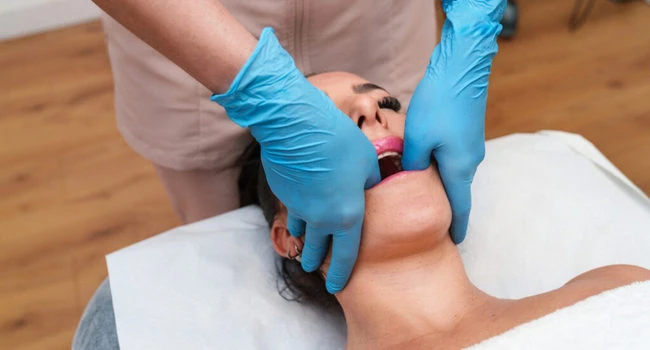
Contact Us Today!
Get in Touch
4225 Henderson Rd APT 101, Arlington, Virginia 22203
571-595-5030
svvdmd@gmail.com
Office Hours
Monday - Friday: 9:00 AM - 6:00 PM
Saturday: 10:00 AM - 4:00 PM
Sunday: Closed